Leranis Photo Studio
A visual production system that frees product photography from the studio calendar.
In use at two brands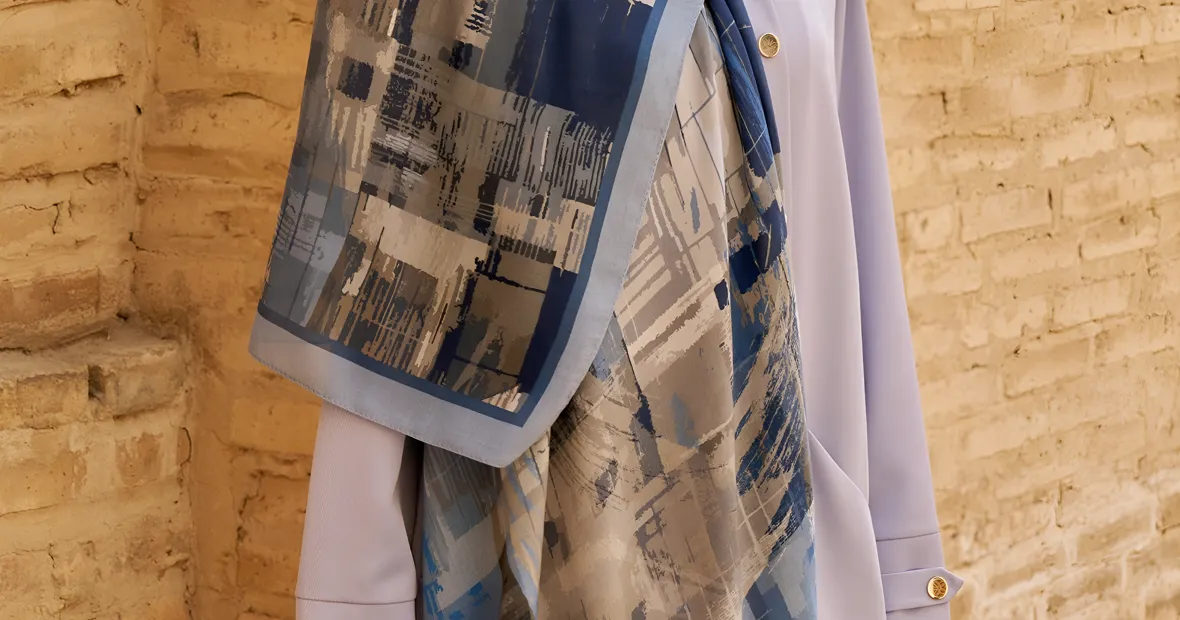
01 — Context
Visuals are the shop window of e-commerce: every new product, every collection, every campaign means a new shoot. Model agency, studio, lighting, crew, location — the calendar slips weeks ahead and the cost multiplies with the number of products. In textiles it is harder still: after a collection is shot, a model’s contract ends or the brand wants to enter a different market with a different face; the whole shoot has to be redone.
02 — Problem
Shoots are expensive.
The calendar is full.
The collection is waiting.
03 — Approach
Our approach for Leranis Photo Studio
The two brands’ needs looked different but shared the same core: the brand’s own visual production capacity. We built it as two different layers.
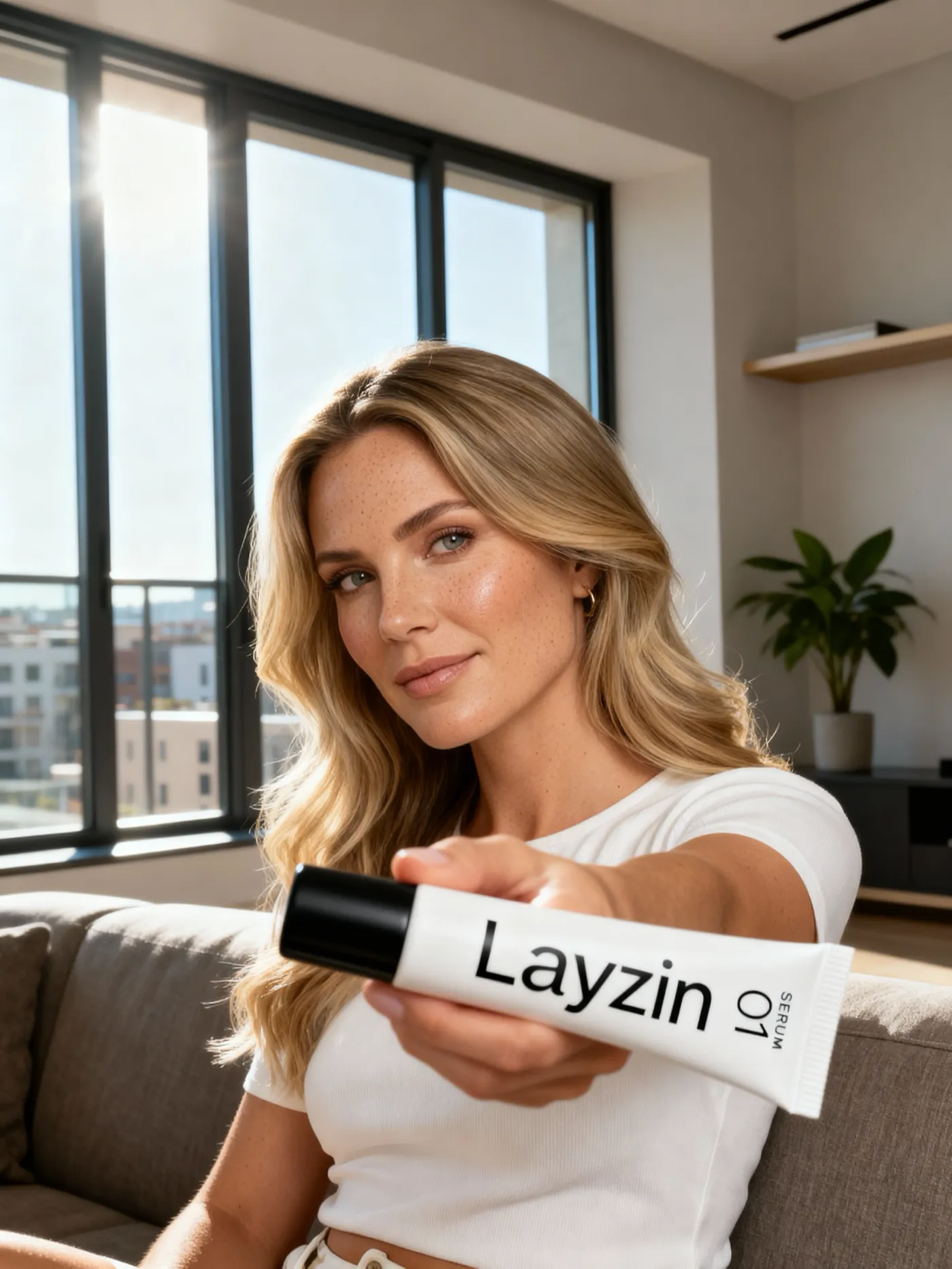
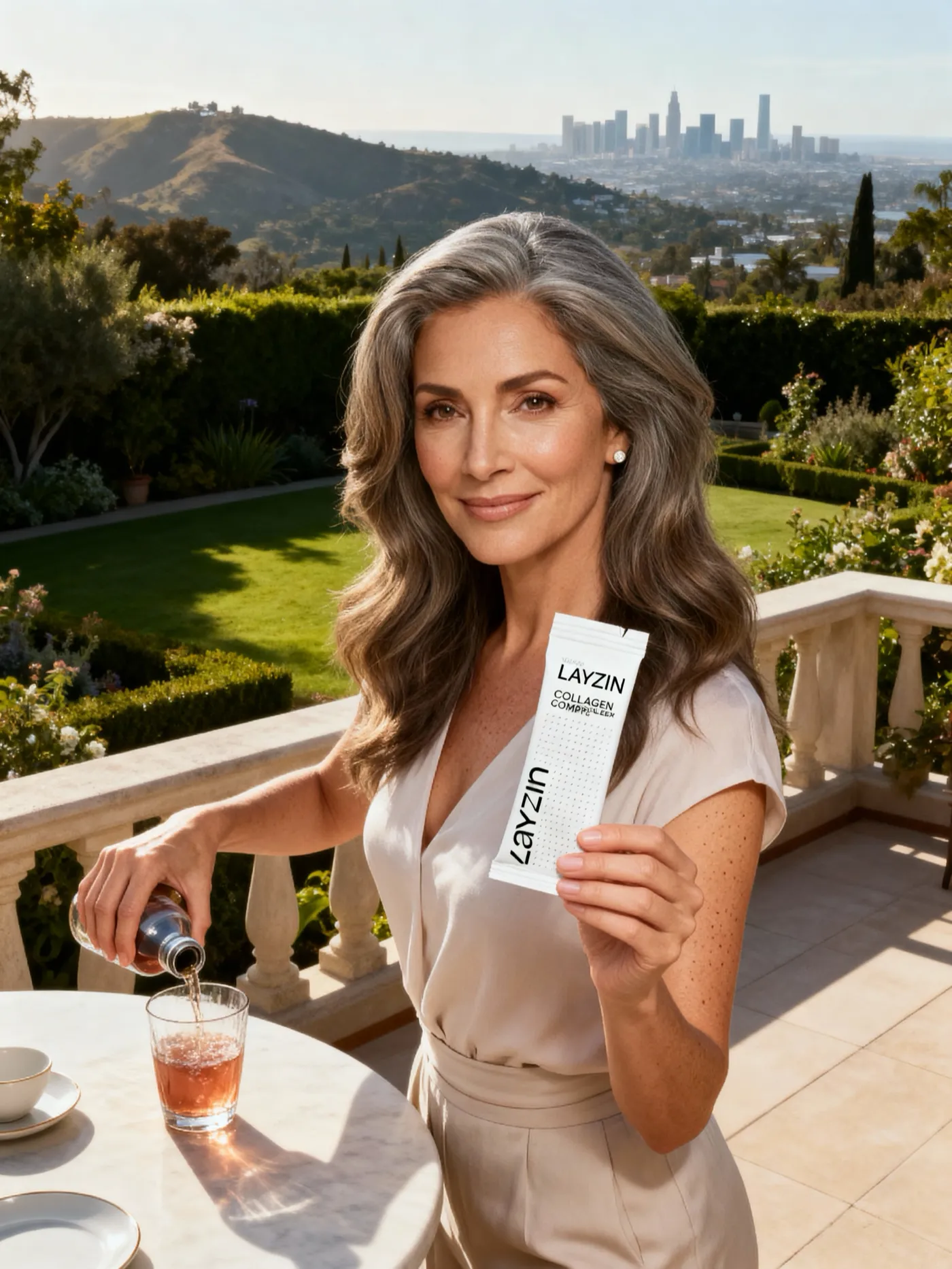
On the LAYZIN side, product staging: a brand-specific model library is generated once and its identities are preserved; the real photo of the product — with its packaging and label — is staged in the described setting. A photo editing layer does the final touch-up inside the panel.
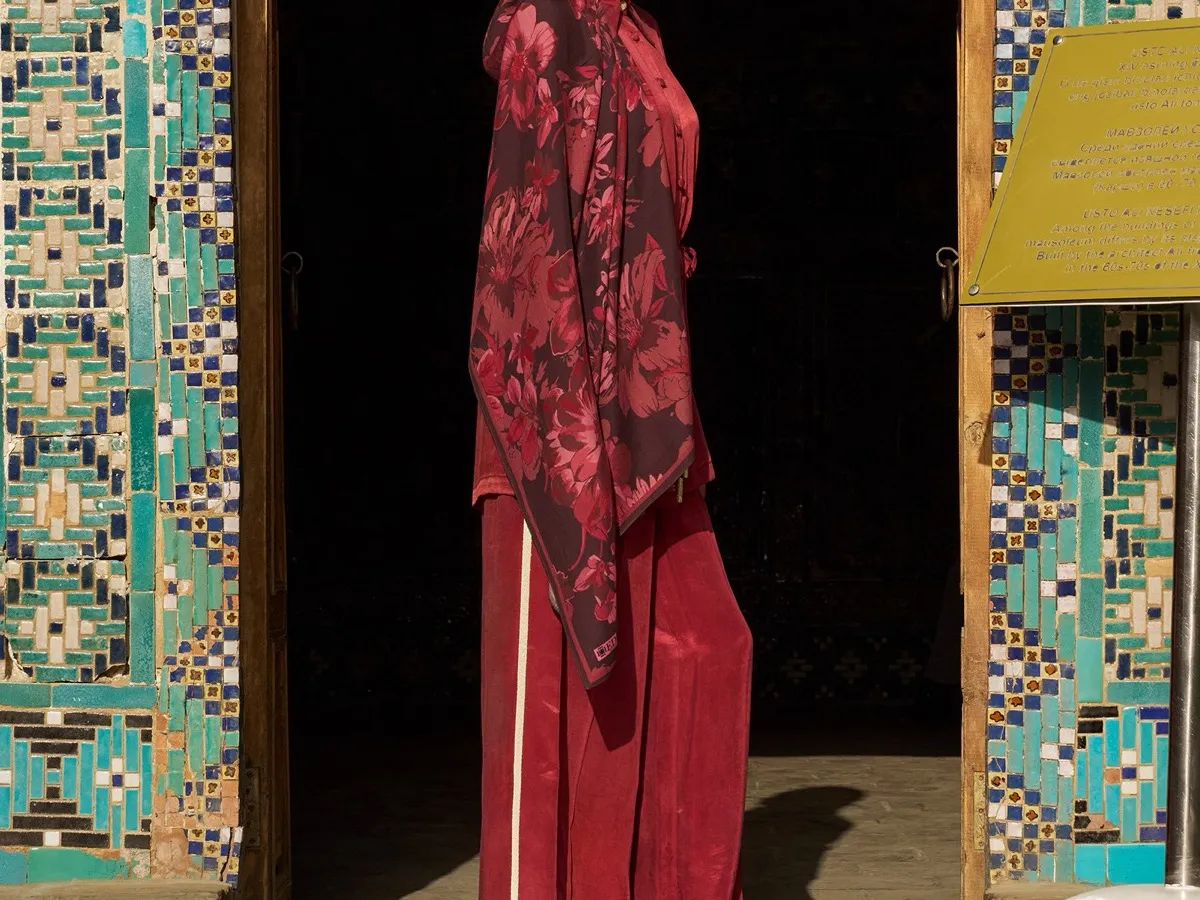
On the Hardem side, the logic of a collection shoot: a real shoot takes place, the products and fabrics stay as their real photographs; only the model layer changes. So the same collection can be presented to different markets with different model identities, without reshooting.
“The product stays real; only the scene is generated.”
04 — Solution
The solution we built
The system runs on the same skeleton for both brands: model library, production studio, editor and gallery. The brand team uploads the source, picks the scene and saves the result to the gallery; no agency round trip needed.
The critical engineering detail on both sides is fidelity: at LAYZIN the product’s form and label, at Hardem the fabric’s pattern, texture and drape are preserved exactly as in the source photo. Since what is being sold is the product itself, the generation must not touch the product.
Variant production is the same for both brands: the same product in a different scene, with a different model, in a different framing — all archived and ready for the campaign plan.
- Brand-specific model library — with identity consistency
- Product staging: packaging and label preserved exactly (LAYZIN)
- Collection model layer: fabric, pattern and drape preserved (Hardem)
- The same collection, different model identities for different markets
- Photo editor: final touch-up inside the panel
- Gallery archive: every output ready for the campaign plan
Flow — real screens
05 — In production
The system carries the visual production of two brands: a new visual now depends on the panel, not on the shoot calendar.
2
Sectors: cosmetics and textiles
4
Modules: library, studio, editor, gallery